Botox: A Medical Marvel, Much More Than Just a Beauty Enhancer
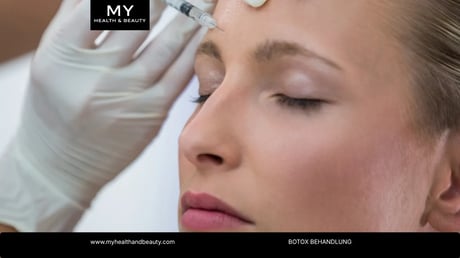
Botox® – merely the word immediately conjures images for most people of taut foreheads, wrinkle-free smiles, and celebrity faces that barely show emotion. But this image falls short. Far too short. Because Botox® can do much more than just smooth wrinkles. Medically known as “Botulinum Toxin,” the active ingredient has long been used to treat various health problems – with astonishing results. This makes Botox® in modern aesthetic medicine not only a beauty tool but often also a key to a better quality of life.

Botox® for Migraine: Finally Relief for Chronic Headaches
Migraine is not just a little headache – it can turn life upside down. Sufferers experience throbbing pain, light sensitivity, nausea, and massive daily limitations. For many who don't get relief from conventional medications, there is a surprising alternative: Botox®.
Botulinum toxin has been approved in the EU for the treatment of chronic migraines since 2010. This means that Botox® can provide relief for at least 15 headache days a month, eight of which have migraine symptoms.
How does it work? Botox® blocks the release of certain neurotransmitters involved in pain transmission. It is injected into several defined points in the head and neck area. The result: The frequency and intensity of migraine attacks can significantly decrease – by up to 70% in some patients. What was once considered purely cosmetic can now mean a real health breakthrough.
Botox® Teeth Grinding (Bruxism): How Botox® Relieves Jaw Strain
Stress, tension, suppressed emotions – what rages inside many people manifests at night during sleep: in the form of severe teeth grinding. This unconscious clenching can lead to massive jaw, neck, and headaches, not to mention the negative consequences for the teeth themselves.
For sufferers, this is a huge dilemma. Classic treatment methods such as bite splints often only help to a limited extent.
How it works with Botox®:
A targeted injection into the chewing muscle (usually the masseter muscle) can effectively reduce its excessive nocturnal activity.
This means: less grinding, less pain, a relaxed jaw. Normal chewing movements are maintained – but the overload is virtually eliminated.
Particularly exciting: This type of treatment not only brings functional benefits but often subtly changes the face shape for the better.
Because a strongly hypertrophied / pronounced chewing muscle can lead to an angular, wide lower jaw. Through muscle relaxation, the face appears softer and more harmonious – a double benefit thanks to Botox®.
Botox® Excessive Sweating (Hyperhidrosis): Finally "Dry" Through Everyday Life
Those who suffer from excessive sweating – for example on hands, feet or armpits – know how much this can restrict daily life. Whether in a meeting, on a date or simply shaking hands: constant sweating often leads to shame, withdrawal and insecurity. What many don't know: Botox® can also effectively help here.
The medical solution:
Botulinum toxin inhibits the activity of the sweat glands by interrupting the release of acetylcholine – the messenger substance that stimulates sweating. The astonishing result is up to six months of largely dryness in the treated areas.
The treatment is outpatient, fast, effective and involves manageable effort. For many sufferers, this means: more self-confidence, more freedom in everyday life – and finally no more constant changing of clothes or reapplying deodorant.
Muscle Spasms and Neurological Diseases: Botox® as a Potential Therapeutic Aid
The medical application of botulinum toxin originally comes from neurology. As early as the 1980s, it was discovered that Botox® can significantly alleviate uncontrolled muscle contractions – so-called spasms.
Examples:
- Blepharospasm (eyelid cramp): uncontrolled twitching or cramping of the eyelids.
- Cervical Dystonia (wry neck): poor posture and pain due to involuntary muscle tension in the neck.
- Spasticity in Multiple Sclerosis or after strokes.
In all these cases, Botox® is injected directly into the affected muscle. This inhibits overactivity and often brings a surprisingly strong improvement in quality of life. Here too, the active ingredient has the potential to be a wonder drug.
Botox® in Urology and Gastroenterology: New Avenues
Botox® is also used in urology, for example, in cases of overactive bladder or urinary incontinence.
Here, it helps to calm the bladder muscle and reduce uncontrolled urges to urinate.
In gastroenterology, Botox® shows effect in certain swallowing disorders or gastric emptying disorders (gastroparesis), where muscle relaxation is therapeutically desired.
Botox® as a Psychosomatic Supporter?
An interesting aspect: some researchers even discuss a psychological effect of Botox®.
The theory: If certain facial muscles, such as those activated when frowning, are blocked, this could have a positive effect on mood.
Some smaller studies suggest that Botox® could be supportive in depression.
The reason: The brain receives different feedback from the “relaxed” face, which in turn has a potentially positive effect on emotional experience. These approaches are still controversial and by no means recognized as the sole form of therapy – but they show how much potential this active ingredient still holds.
For a harmonious overall result, many patients opt for a Full Face Botox concept.
Does Botox® Deserve a Completely New Image?
Yes, because Botox® is no longer just a beauty product. It is a medical all-rounder that offers real help in many areas – often where other treatments reach their limits.
Whether migraine, teeth grinding, excessive sweating, or neurological diseases:
The areas of application for botulinum toxin are vast – and continue to grow. Anyone who today only associates Botox® with wrinkle-free skin misunderstands the actual potential of the active ingredient.
Which Botox treatments do we offer?
Botox is one of the most popular minimally invasive treatments in aesthetic medicine. Depending on the treatment goal, botulinum toxin can be used for wrinkle reduction as well as for the treatment of certain functional complaints.
At MY HEALTH AND BEAUTY, we offer the following Botox treatments, among others:
Which treatment is right for you depends on your personal wishes, your facial expressions and your individual circumstances. We would be happy to advise you in detail on the various options for Botox treatment and work with you to develop a suitable treatment concept.
At MY HEALTH AND BEAUTY, we pursue a holistic approach:
For us, aesthetics and well-being belong together. That's why we see Botox® not just as a beauty enhancer, but as a serious medical active ingredient with a noticeable impact on quality of life, self-confidence and health.
Feel free to arrange a personal consultation with our medical team – individual, discreet and professional.